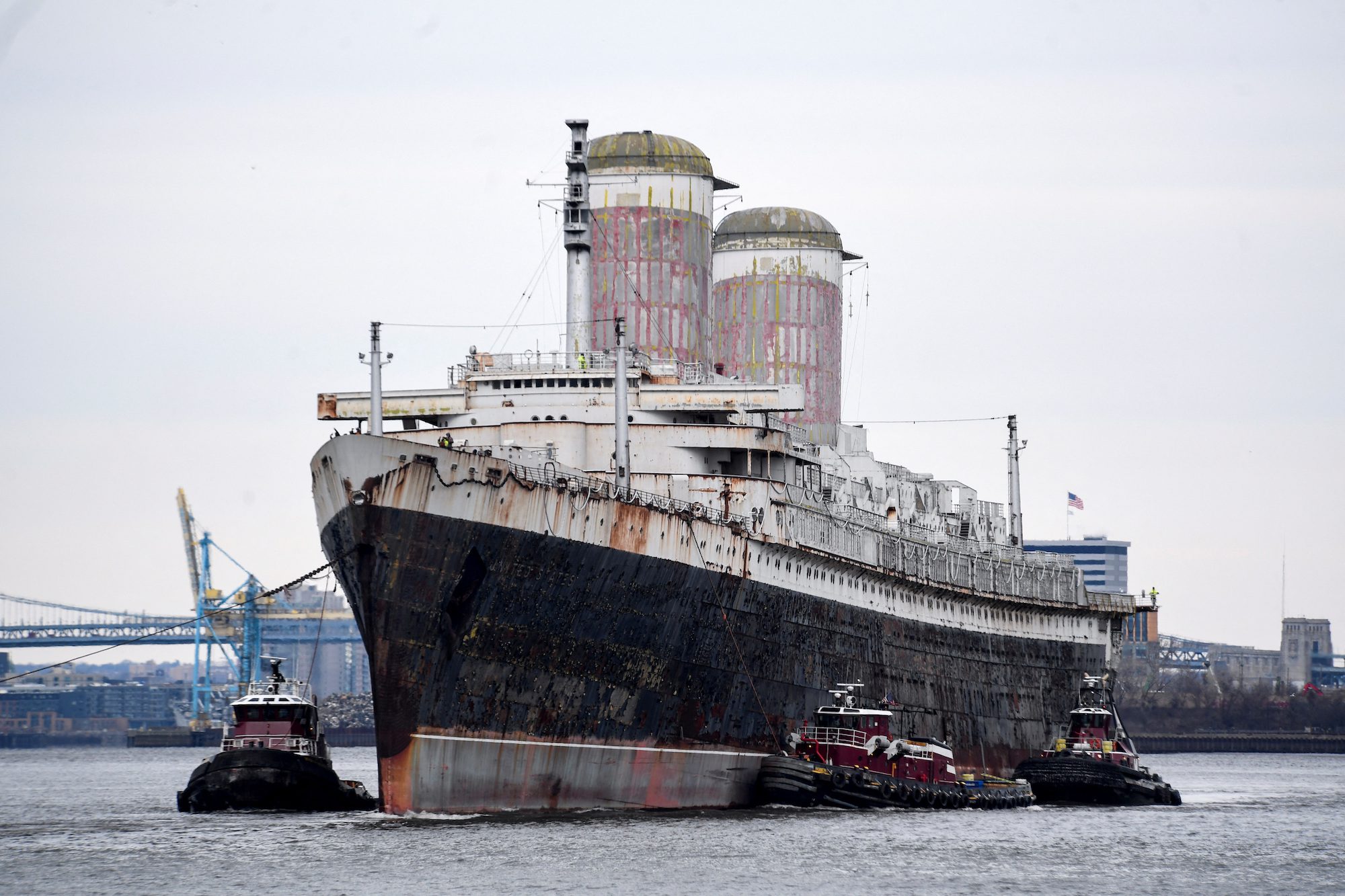
Man Who Sailed on Ship as a Boy Records Its Final Journey

Man Who Sailed on Ship as a Boy Records Its Final Journey

A man who voyaged on a ship as a boy has now recorded its final journey. He returned to document the last trip of the vessel after spending time on it years ago. His project keeps the memory of the ship alive as its sailing days come to an end.

Why did a man record the ship's final journey?

The traveler first rode the vessel when he was just a boy. That early trip left a strong mark on his life. When he learned that the vessel was ready for its last trip, he made sure to document the entire event with his own eyes and camera.

People often build deep bonds with the vessels that carry them across the water. Big journeys stick in the mind, especially when they happen during childhood. By recording every step of the final trip, he created a clear record for others who loved the vessel.

What happens when an old ship makes its last trip?

Every vessel has a limited time on the water before it must retire. Ocean travel takes a heavy toll on wood and metal over decades of service. Throughout history, vessels like the historic Santa María (ship) faced risks and changes at sea, and modern vessels also reach a day when they cannot sail again.

When a vessel retires, owners must decide what comes next for the hull and parts. Some older vessels become floating museums for visitors, while others are taken apart for scrap metal. A final trip gives the crew, past passengers, and fans a chance to say goodbye properly.

  • Long journeys create strong bonds for young passengers.
  • Old vessels eventually need to be retired from sea service.
  • Photos and videos preserve maritime history for the future.

Why do historic ocean journeys matter so much to people?

Sea voyages have connected people across vast waters for hundreds of years. Famous expeditions, such as the Voyages of Christopher Columbus, changed how people saw the world and proved how powerful a single sea trip can be. Even a routine passenger trip can shape a family story for many generations.

Watching a beloved vessel finish its work can bring up deep feelings for communities. Many people remember the sound of the engine, the smell of the salt spray, and the open deck. Documenting that final run ensures that those personal feelings and historical moments do not get lost over time.

What should readers look for next?

Historians and maritime fans will watch to see where the recorded footage goes next. Many hope the project becomes an online film or a museum display for everyone to view. Sharing personal stories helps younger crowds understand why these classic vessels meant so much to travelers.

More vintage vessels are approaching retirement age each year. Keeping track of their final runs helps maritime groups save valuable history before it disappears completely. This passenger showed that one person with a camera can preserve a major chapter of sea travel for the rest of us.

Comments

Popular posts from this blog

United States Midterm: 7 Reasons to Feel Good About Democracy

A new report gives us seven reasons to feel good about the future of American democracy. Analysts say there are clear signs of hope as the nation moves past the latest United States midterm elections. You might have more reasons to feel positive about our country than you thought. What is the news about the United States midterm? The Real Instituto Elcano looked closely at how American voters handled recent votes across the country. They found seven strong points that show our political system is still working well. People are showing up to vote, and the rules of our nation are holding strong through tough times. Many voters worry that things are getting worse in our government every single day. But this news shows that the main structure of our country stays safe and sound. It gives everyday families a good reason to take a deep breath and feel better about tomorrow. Why should you feel good about American democracy today? The report points to key details that show our system is...

AI Chips and Electric Cars Push Big Tech to Build Power Plants

Photo: Wikimedia Commons Big tech companies are buying massive amounts of electricity for artificial intelligence and data centers. Amazon, Microsoft, and Google need so much energy right now that tech giants are starting to help build nuclear reactors and gas facilities. If you use online services every day, this big change in energy will soon affect your monthly power bill and how your local power grid works. The sudden rise of AI tools means companies must run thousands of new computer chips every second. These computer chips use much more power than normal search engines or web pages. Because of this high demand, tech firms are striking deals directly with energy providers to secure electricity before anyone else can take it. Recent news from power companies in the USA shows that data center energy use could double before the end of the decade. The United States has thousands of data centers, but the newest ones are huge. Some single data center sites need as much electricity ...

US Tech Giants Face New AI Chip Export Limits

Photo: Wikimedia Commons American chip designers face stricter federal rules on selling artificial intelligence parts abroad. The United States government expanded trade curbs this week to slow foreign access to advanced computing gear. These fresh limits target high-end processors used to build large artificial intelligence models. Federal officials say the updated policy protects national security and keeps sensitive technology out of rival hands. For tech companies, this means more paperwork, canceled sales, and a rush to redesign components for global markets. You can follow broader domestic policy changes by checking out the latest updates on US economic and political news . Why Are AI Chips Under Scrutiny? Modern artificial intelligence runs on raw computing power. Advanced processors train algorithms to recognize patterns, write text, and process satellite pictures. Washington wants to make sure American hardware does not train tools that run foreign defense systems. The...